What is Location Data Management?
You have incredible potential to attract more consumers by managing your location data. We explain how location data management helps you increase…



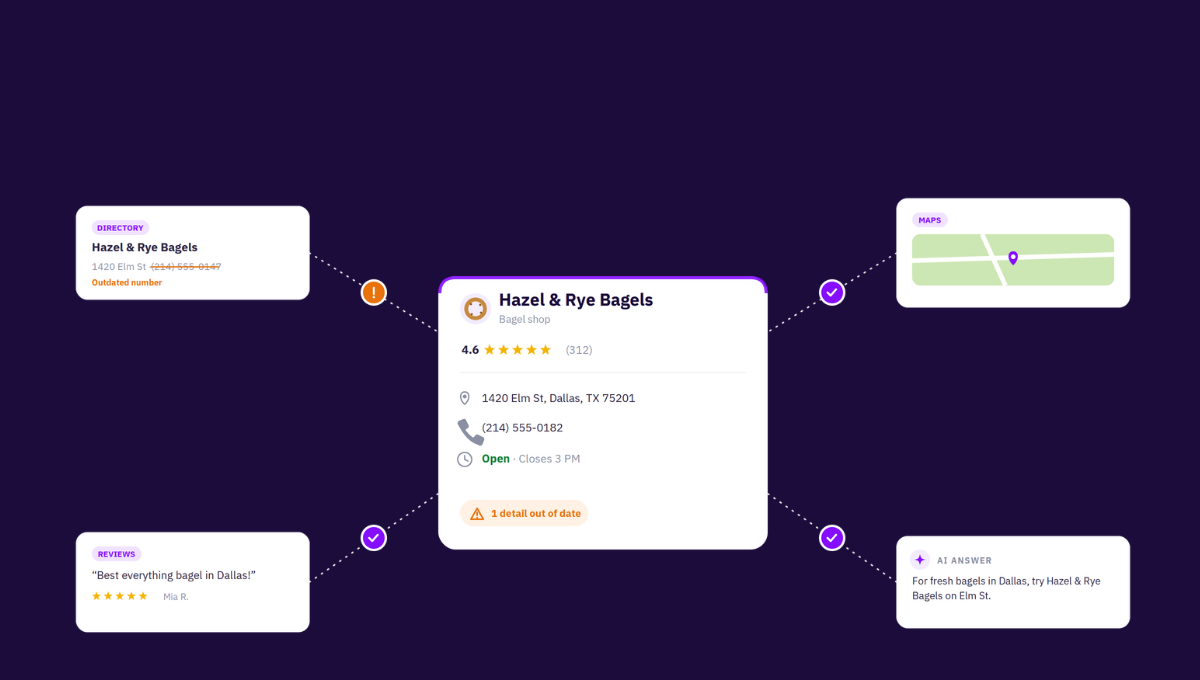
Location data management is about keeping business information accurate and up-to-date – within the company and everywhere it's referenced outside the business. So it's about making sure that your customers find the right information to drop by and shop at your store.
Location Data is NOT Set-It and Forget-It
It is important to emphasize that location data isn't a set-it and forget-it proposition. Especially businesses that rely on customers visiting their physical location need to provide up-to-date and accurate data. Meaning: location data needs to be proactively managed, and we recommend you to use a central database.
A database serves as the primary source of accurate information for the business's details, features, and attributes. This allows companies to manage data for multiple platforms in just one place and decrease false data and data security breaches. Bear in mind that today, virtually anyone on the web is able to make suggested edits to your listing.
False data reflects negatively on your brand and impacts your local ranking, since Google penalizes listings with inconsistent information. Worst case, this could lead to a loss of authority points and removal from the Google 3-Pack or Local Pack. And that's where most customers are looking for their next purchase.
Pin Precision is Critical
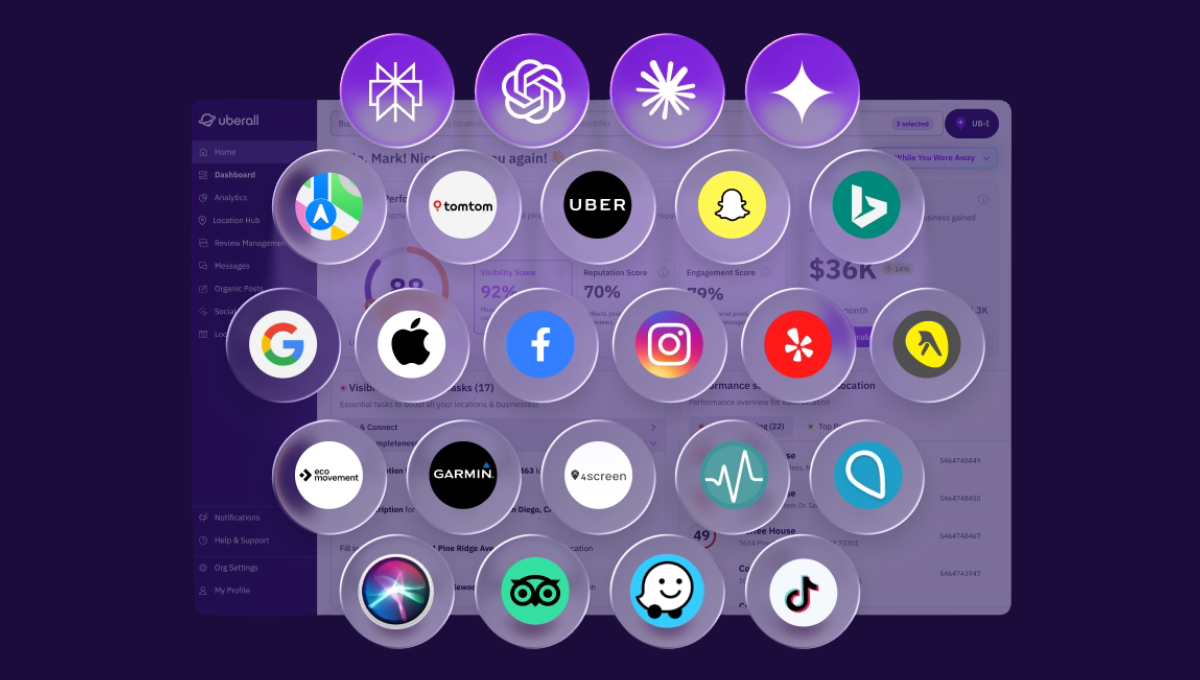
Location data has undergone a significant change in the span of just 5 years. Companies like D&B, White Pages, and Yellow Pages have been listing businesses for a long time. But there are many more websites, directories, maps, and social media networks that use this information. And they provide more details than just the name, address, and phone number to help consumers find businesses easily.
Ensuring that the geo-coordinates of the business are accurately represented has become equally important as NAP data. Because of the advent of digital maps and navigation systems, and with Google Maps and Apple Maps being integrated into the operating system of every mobile phone.
Today, most consumer maps and navigation systems use latitude and longitude instead of postal address. Same applies to consumer maps, apps, websites as well as car navigation systems that use the geolocation "pin" format.
By ensuring geo-coordinates are accurate within 2-5 meters of the business' front door, the details of every retail unit should help customers navigate to its precise location. Even if it's a kiosk or an ATM inside a mall that doesn't have its own free-standing address.

Location Data Drives Real Revenue
People are increasingly using their phones to make purchases, both online and in physical stores. Over 40% of mobile searches on Google are for local information. In addition, local searches have high purchase intent, with 78% of searches for local businesses resulting in an offline purchase.
Mobile devices use their owner's location to find nearby businesses, unlike old phone books. That's why search engines and mobile devices prioritize businesses around the corner. In fact, Google uses location data to decide if a business should show up in search results.
Leveraging Location Data to Get Found
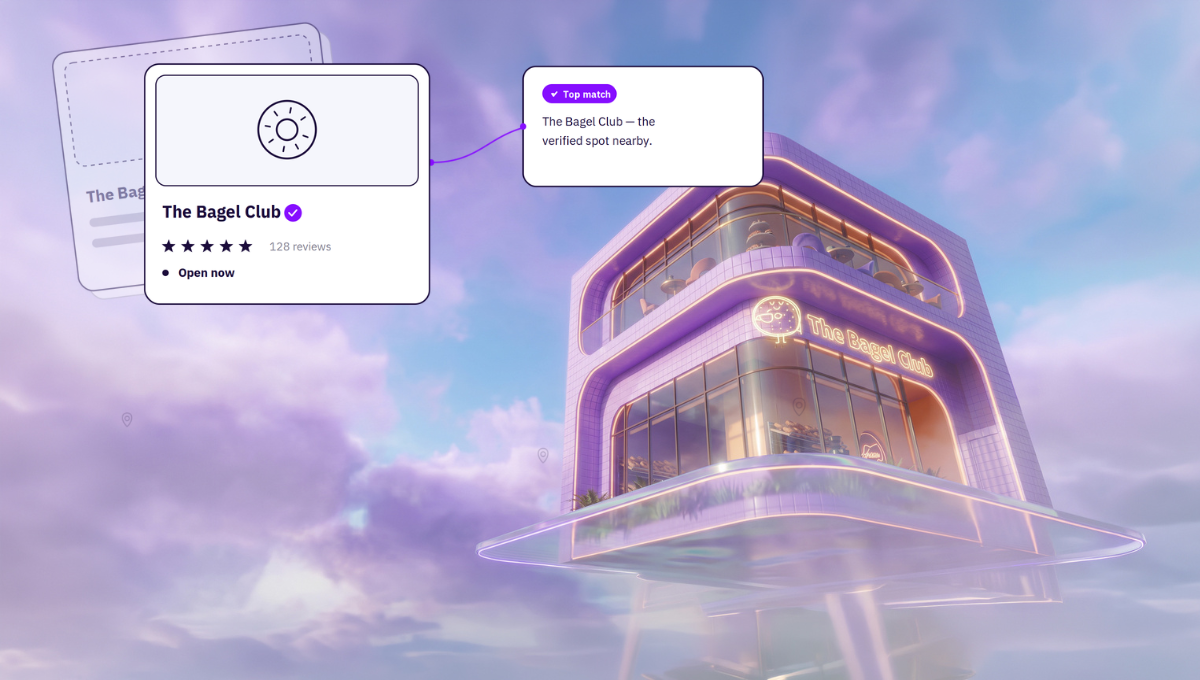
Simplified location data management gives businesses the power to use their locations' data to ensure that their locations are found and recommended by search engines. What's important to know though is that most clicks and mindshare goes to the top 3 results.
To be included in these search results, search engines need your location information along with a complete description of amenities, photos, consumer reviews needs. In fact, acurate, consistent location information is one of the strongest signals for search engines.
Our advice to enrich location data:
- Make sure your business is featured in the right "categories". Yelp, Google and other websites have standard lists of categories to choose from that help classify the business for consumers.
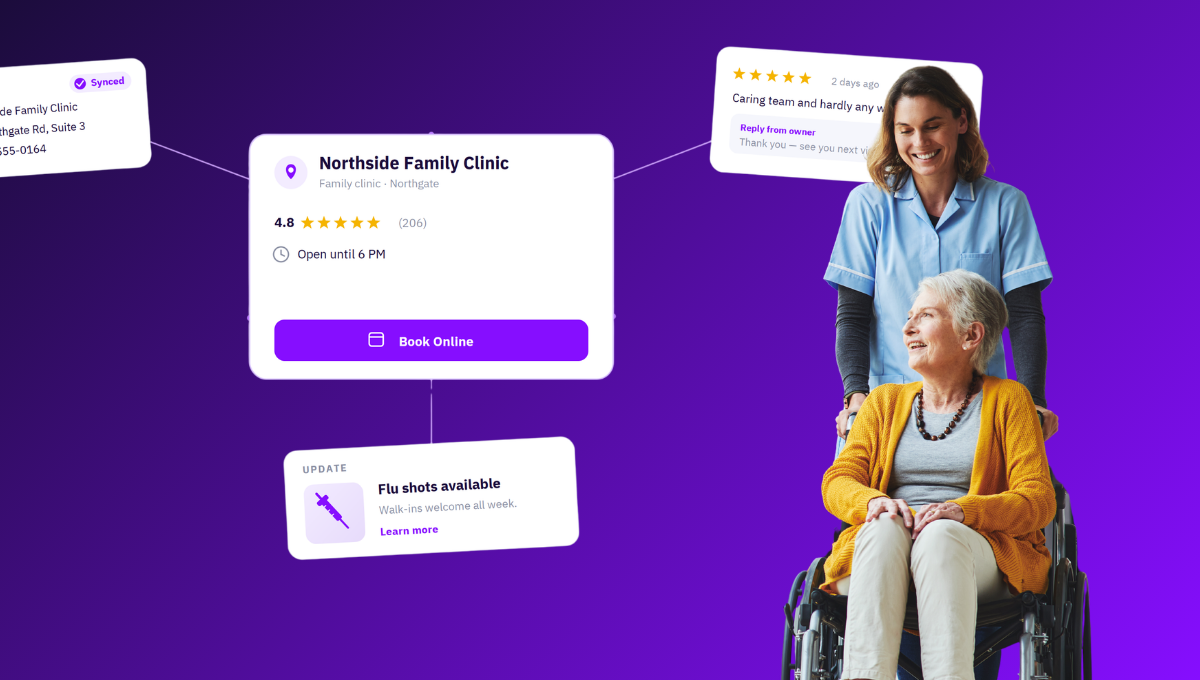
- Empower store managers to create independent "stories" about their own location on Yelp, Google and Facebook. This builds local authenticity and brand awareness directly to the local community.
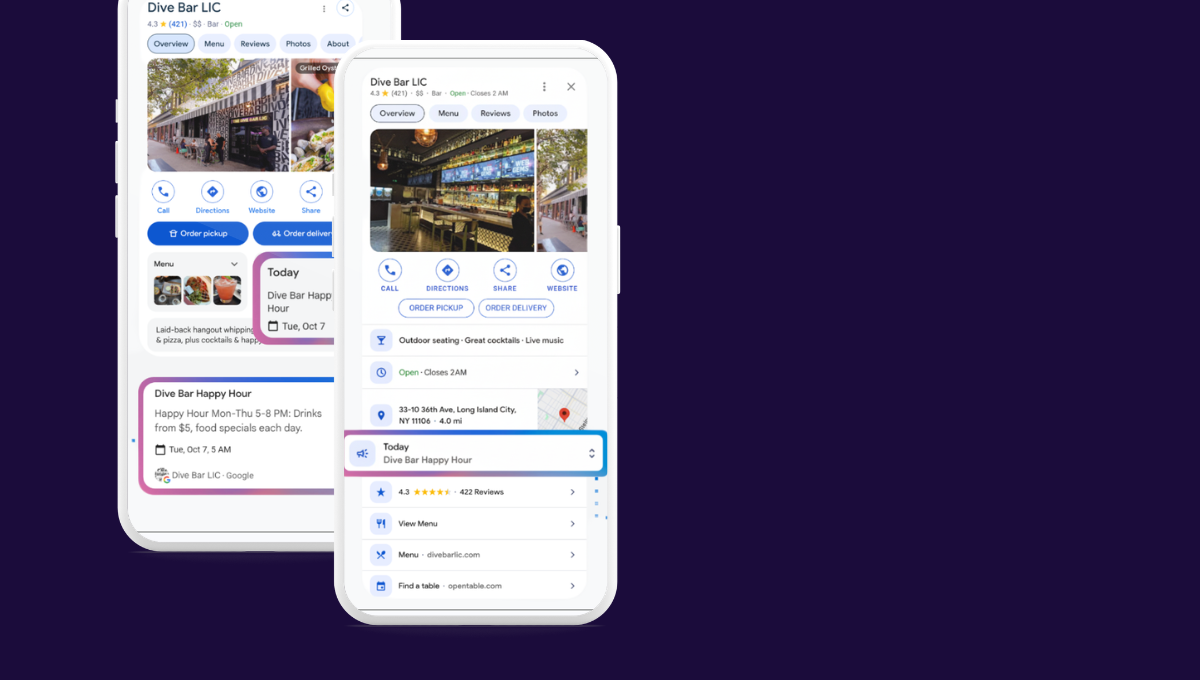
- If you are a restaurant chain, upload your online menus or daily specials for each individual restaurant.
- Share specific amenities like free Wi-Fi or parking spots. Those features can be listed to give consumers an all-encompassing view of your brand.
- Incorporate relevant keywords in descriptors based on what products, brands, and services are offered by the business. This can be a great way to find new customers, especially if you are opening a new service line or product offering.
- Many networks allow businesses to add photos and videos. This is particularly good for companies where product visuals make a big impact.
Consumers spend an increasing amount of time on their phones, asking for more and more real-world recommendations. Consequently, brands have an incredible opportunity to attract more consumers by taking an active approach to managing their location data. Consumers' ability to find relevant results with the tap of a finger opens a world of opportunity for your business.



1,800 brands trust us to stay visible
— not just show up once or twice in local search.