Local SEO Services: How To Choose The Perfect Fit For You
In this guide, we will explore the significance of Local SEO and provide you with key factors to consider when choosing the perfect local SEO tool.


Having a strong online presence is a no-brainer—but you need muscles to make it to the top of online search. Or do you?
In this article, we explain the key factors to consider when selecting a local SEO tool to help you make an informed decision. Because with so many local SEO tools available in the market, choosing the perfect one can be a daunting task.
Understanding the Importance of Local SEO
Before we dive into the nitty-gritty of local SEO tools, let's talk about the relevance of local SEO for your business.
The Role of Local SEO in Digital Marketing
Local Search Engine Optimization (Local SEO) plays a pivotal role in digital marketing strategies. It helps you gain visibility on local search engine results pages (SERPs), ultimately leading to more traffic and boosted sales.
Local SEO enables you to target specific geographic areas and reach potential customers who are actively searching for products or services in your locality. With more and more people turning to the internet to find local businesses, optimizing your website and online profiles for local searches is already an imperative.
Benefits of Effective Local SEO For Multi-Location Businesses
Implementing effective local SEO strategies can yield numerous benefits for your business.
Firstly, it helps you build credibility and trust amongst your target audience. When potential customers find you at the top of the search results, they are more likely to perceive your business as reputable and reliable.
Secondly, local SEO enables you to target users who are in the final stages of the purchasing journey. When someone searches for "best plumber near me" or "coffee shop in my area," they are highly likely to make a purchase. By ranking well in local searches, you can capture these ready-to-buy customers and drive conversions.
Lastly, effective local SEO can enhance your online reputation. Positive online reviews and ratings can significantly impact your business, and local SEO helps you showcase your positive feedback to potential customers.
Moreover, local SEO allows you to:
- Tap into the power of mobile searches: With the increasing usage of smartphones, people are searching for local businesses on the go. By optimizing your website and online profiles for local searches, you can ensure that your business appears in the top results when someone searches for a product or service while they are out and about.
- Gain valuable insights into your target market: By analyzing the data from local search results, you can gain a deeper understanding of your customers' preferences, behavior, and needs. This information can help you tailor your marketing strategies and offerings to better meet their expectations; also on-site.
- Stand out from the competition: When potential customers search for businesses in your area, appearing at the top of the search results gives you a competitive advantage. It increases your chances of being chosen over your competitors and helps you establish your brand as a leader in your local market.
In conclusion, local SEO is not just a nice-to-have for businesses; it is a necessity in today's digital landscape. By investing in effective local SEO strategies, you can improve your online visibility, attract more customers, and ultimately grow your business.
Key Factors to Consider When Choosing Local SEO Services
#1 Data Management: Accuracy and Consistency
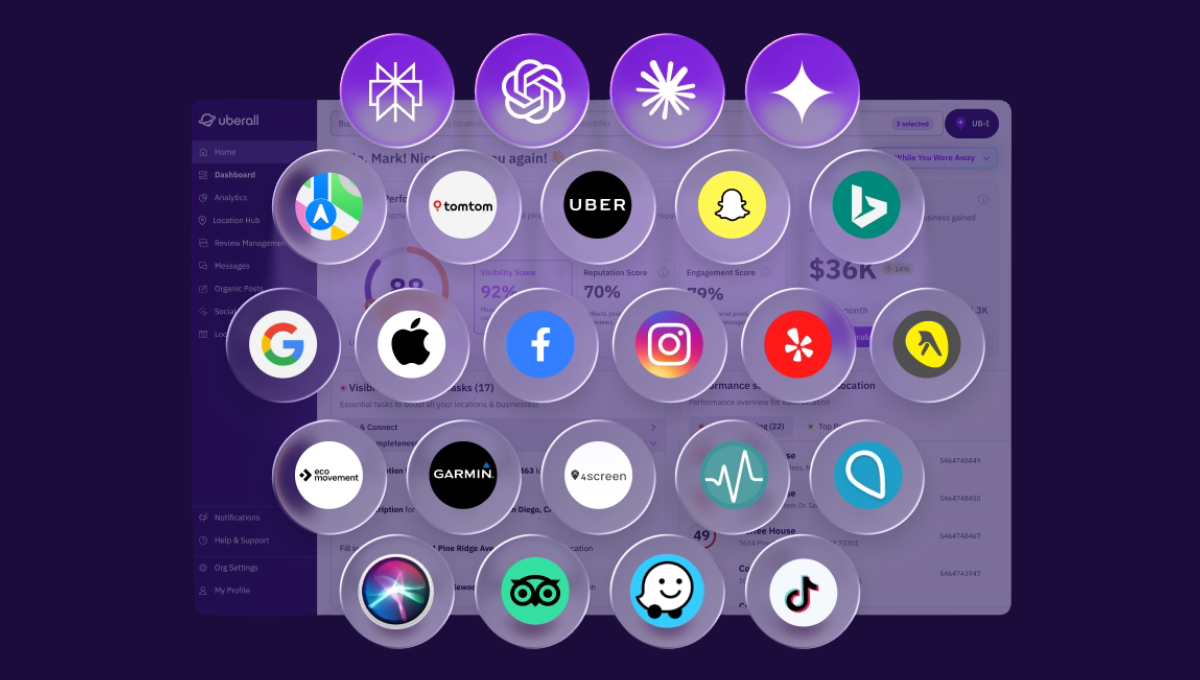
An ideal local SEO tool should ensure your listings are optimized for all local search ranking factors including data accuracy, consistency, review response, and more. Consequently, it needs seamless integrations to the most important online directories.
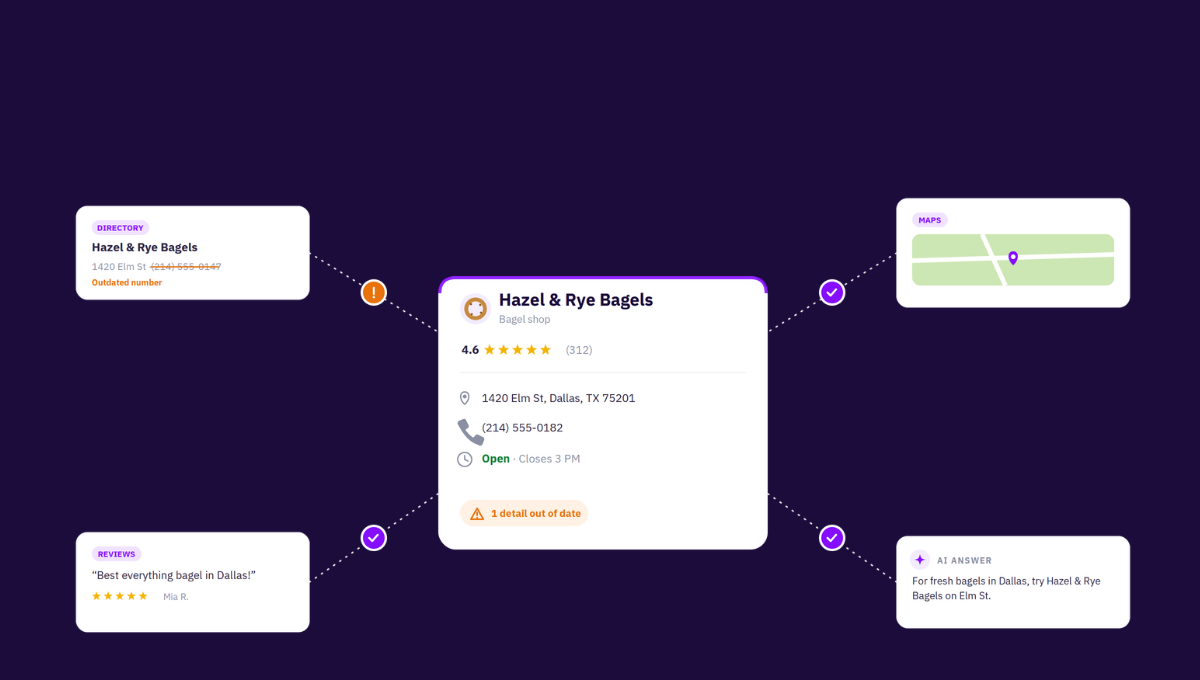
Up-to-date business information plays a crucial role in local search rankings, establishing trust with search engines and potential customers alike. Inaccurate information, on the other hand, can lead to confusion and mistrust, ultimately impacting your local SEO efforts negatively.
Besides adding relevant location data, the tool should also be able to identify and eliminate duplicates. And lastly, defending your business profiles from unauthorized changes and inaccuracies should be a priority, too.
#2 Customer Engagement and Intelligent Workflows
Customer engagement and intelligent workflows are integral features of a local SEO tool as they contribute significantly to enhancing the overall effectiveness of local search optimization efforts.
For instance, features that facilitate customer engagement, such as review monitoring and management, enable businesses to actively respond to customer feedback, address concerns, and build a positive online reputation. Additionally, intelligent workflows streamline processes by automating repetitive tasks like business listing updates or citation management, saving time and ensuring consistency across various platforms.
These features not only improve operational efficiency but also help businesses maintain a strong online presence, leading to increased visibility, trust, and ultimately, higher conversions within the local market.
#3 Analytics Capabilities: Comprehensive Reporting and Insights
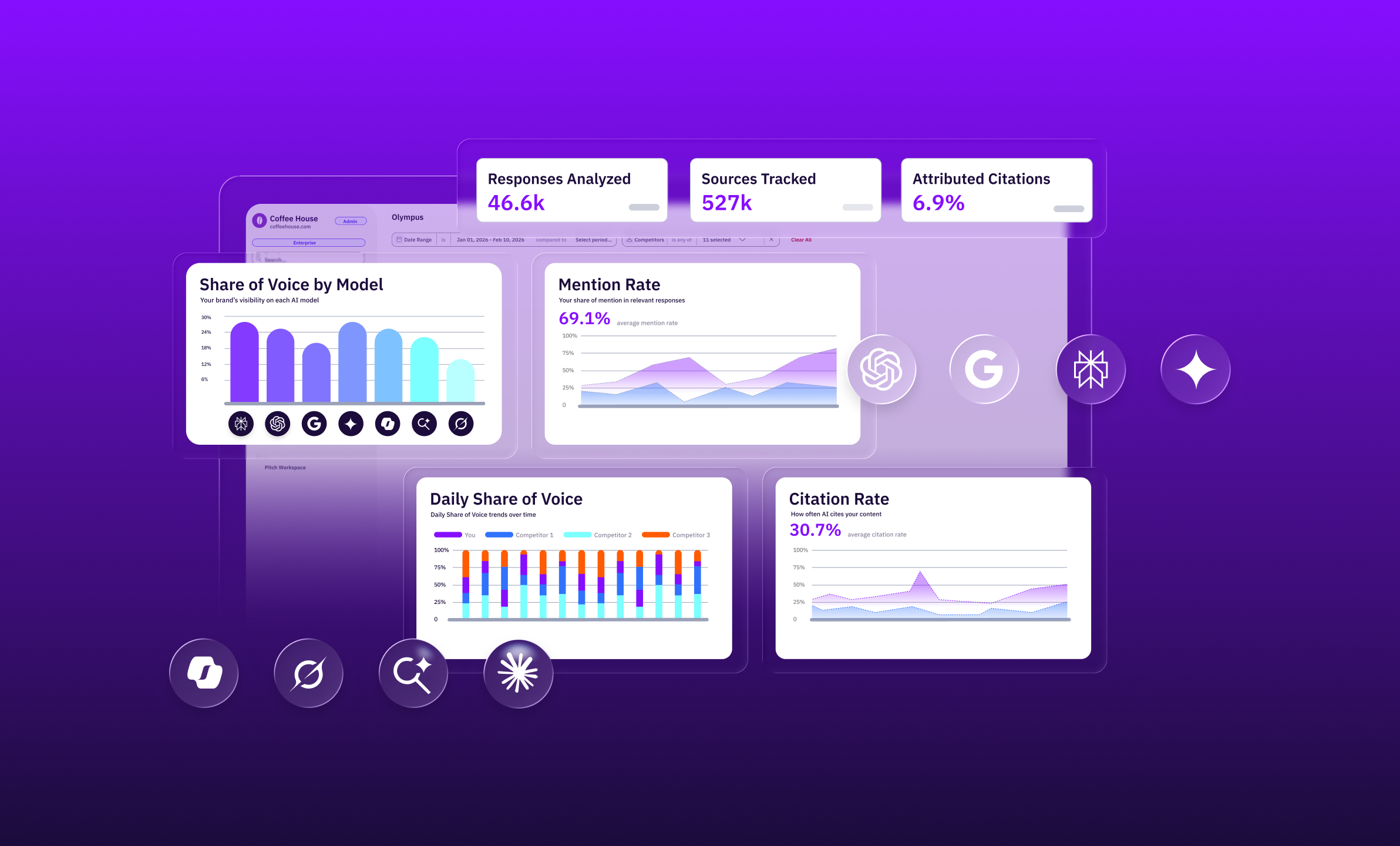
Choose a tool that provides detailed insights into your website's performance, keyword rankings, and online visibility. Recommended actions, on the other hand, offer clear directions to optimize location profiles and rank higher than your competitors.
By leveraging comprehensive reporting features, you can gain a deeper understanding of your target audience and optimize your campaigns accordingly. Moreover, detailed analytics can uncover valuable trends and patterns in your local SEO efforts, enabling you to fine-tune your strategies for better results.
Factors to Consider When Choosing a Local SEO Tool
When you identified Local SEO tools that cover the above mentioned key features, take a closer look at the platform itself—and the company behind:
#1 Budget and Pricing Models
Consider your budget and evaluate different pricing models offered by local SEO tools. Some tools charge a monthly fee, while others follow a pay-per-use model. Determine which pricing structure aligns with your business needs and budget constraints.
It's worth noting that some local SEO tools offer free trials or limited versions of their software, allowing you to test the tool's capabilities before committing to a paid plan. Take advantage of these opportunities to ensure that the tool meets your expectations and delivers the results you're looking for.
#2 Scalability and Flexibility
Choose a local SEO tool that can scale alongside your business. As your business grows and expands to new locations, you'll want a tool that can accommodate your evolving requirements.
Scalability is not just about the tool's ability to handle increasing data or traffic; it also involves considering whether the tool integrates well with other software and platforms you use. Look for a local SEO tool that offers seamless integrations with popular CMS platforms, analytics tools, and other software to streamline your workflow and maximize efficiency.
Lastly, go for a user-friendly interface and intuitive navigation to streamline your workflow and help you focus on the most critical aspects of your local SEO strategy. The tool should be easy to understand and operate, allowing you to effortlessly manage and optimize your local SEO campaigns.
#3 Customer Support and Training
Having reliable customer support and access to training resources is essential when choosing a local SEO tool. Make sure the tool's provider offers timely support and resources that can help you make the most of the tool's features.
Furthermore, consider the level of training and onboarding assistance provided by the tool's vendor. A robust onboarding process and educational resources can empower you and your team to leverage the tool effectively and achieve your local SEO goals. Look for tools that offer webinars, tutorials, documentation, and dedicated account managers to support you every step of the way.
Deciding For The Perfect Local SEO Tool
Now you know how to evaluate local seo tools; so let’s talk about how you make the final decision:
Comparing Top-Rated Local SEO Tools
Create a shortlist of top-rated local SEO tools and compare their features, functionalities, and customer reviews. Focus on tools that have a proven track record of delivering results for businesses similar to yours.
Reading User Reviews and Ratings
User reviews and ratings provide valuable insights into the pros and cons of different local SEO tools. Consider the feedback of other users to gauge the overall satisfaction and performance of the tools under consideration.
Taking Advantage of Free Trials and Demos
Many local SEO tools offer free trials or demos. Take advantage of these opportunities to get hands-on experience with the tools. Testing the tools yourself will help you understand which one best aligns with your specific needs.
SEO Benchmarks: Find Out Where Your Business Stands in Online Search Today
Implementing Your Chosen Local SEO Tool
Once you have selected the perfect local SEO tool, it's time to implement it into your business strategy. Here are some crucial steps to follow:
#1 Integration with Your Existing Systems
Ensure that the local SEO tool seamlessly integrates with your existing systems, such as your website, CRM, or marketing automation platform. Integration streamlines your workflow and allows for a more efficient management of your local SEO campaigns.
By integrating your chosen local SEO tool with your website, you can automatically optimize your web pages for local search queries. This means that when potential customers search for relevant keywords in your area, your website will have a higher chance of appearing in the search results, driving more traffic to your site and increasing your chances of generating leads or sales.
#2 Measuring the Success of Your Local SEO Efforts
Track the success of your local SEO efforts by monitoring key performance indicators (KPIs) such as website traffic, keyword rankings, conversion rates, and online reviews. Measure your progress against predefined goals and make data-driven decisions moving forward.
By regularly monitoring your KPIs using your local SEO tool, you can track the progress towards your goal. If you notice that, for example, your website traffic is not growing as expected, you can dig deeper into the data to identify potential issues. Perhaps your website needs further optimization, or your content strategy needs adjustment.
Remember, selecting the right tool is just the beginning. Continuous monitoring, analysis, and adjustment are essential to ensure ongoing success in your local SEO endeavors.
Ready to elevate your local SEO strategy and outshine the competition? Discover the power of Uberall, the AI-powered platform designed for multi-location businesses like yours.



1,800 brands trust us to stay visible
— not just show up once or twice in local search.