You Launched New EV Charging Stations This Summer — Why Can’t Drivers Find Them on Google Maps?
We'll break down how to get EV charging stations appearing on Google Maps with the right data, in the right fields, controlled by the right source — without creating duplicates or losing control of what Google shows drivers.

Key takeaways:
- Claim and verify your Google Business Profile for every station before going live, because GBP is now the source of truth for your name, address, coordinates, and hours on Google Maps
- Stop pushing EV data to Google directly via GELFS if Eco-Movement is already sending it, because two parallel feeds create conflicts that delay station creation and cause Google to flip between values
- Treat reviews and photos as ranking signals — Google's in-car EV routing and AI-generated directions both surface stations based on user-submitted content your team can influence

You're a CPO with hundreds of charging stations across central Europe. Your ops team launched 50 new stations this summer. The hardware is installed, the OCPI connection is live, and drivers are already plugging in.
But 6 weeks later, half of those stations still don't appear on Google Maps. Drivers searching "EV charging near me" drive past your stations because Google doesn't know they exist yet.
And the stations that are on Google Maps have issues, too. Some GPS coordinates have changed without anyone on your team making the edit. Photos have disappeared from your listings, reviews are from another charger, and other listing elements are also changing without your approval.
We'll break down how to get EV charging stations appearing on Google Maps with the right data, in the right fields, controlled by the right source — without creating duplicates or losing control of what Google shows drivers.
Which Data Source Controls Which Fields on Your Google Maps Listing?
Fixing incorrect EV charger listings that your team actually controls is going to maximize the visibility and reputation of your chargers — which will have a crucial trickle-down effect on utilization — and revenue.
Every other type of business on Google Maps runs on one data source: Your Google Business Profile (GBP). You claim it, verify it, fill in your hours and photos, and what you set is what Google shows.
But EV charging stations run on two data sources.
The first is your GBP, the same profile every business uses. GBP is now the source of truth for your core business fields on Google Maps:
- Business name
- Address and GPS coordinates
- Hours of operation
- Phone number
- Website URL
Before this change, all of that came through your data aggregator. Now, on a claimed and verified listing, what you set on GBP publishes to Google Maps directly, often with no delay. Most CPOs we talk to don't know this happened.
We've worked with a European CPO managing around 600 charging stations. Most of their stations had autogenerated listings on Google that nobody on their team controlled — the data came from aggregator feeds and user edits, not from verified profiles. After switching to automated claiming and centralised data management through a single API, mobile Google Maps impressions increased by 116%, website clicks by 54%, and navigation requests by 8%.
Claiming these listings also gave them control over reviews for the first time, and once each station had its own claimed profile, reviews attached to the right charger, and the team could actually respond to them, and customers could actually trust them.
The second data source is the GELFS protocol (Google EV Location Feed Specification). This is how charger-specific data reaches Google Maps:
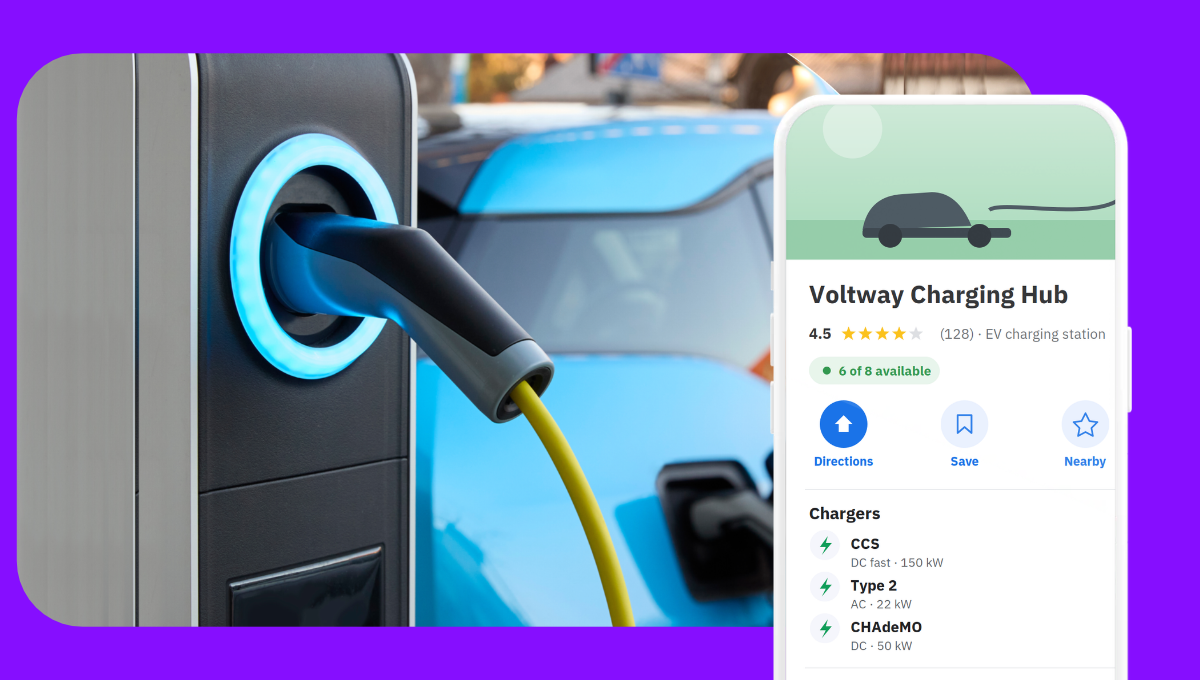
- Connector types (CCS, CHAdeMO, Type 2)
- Power output per connector
- Real-time port availability
- Payment methods
- Pricing
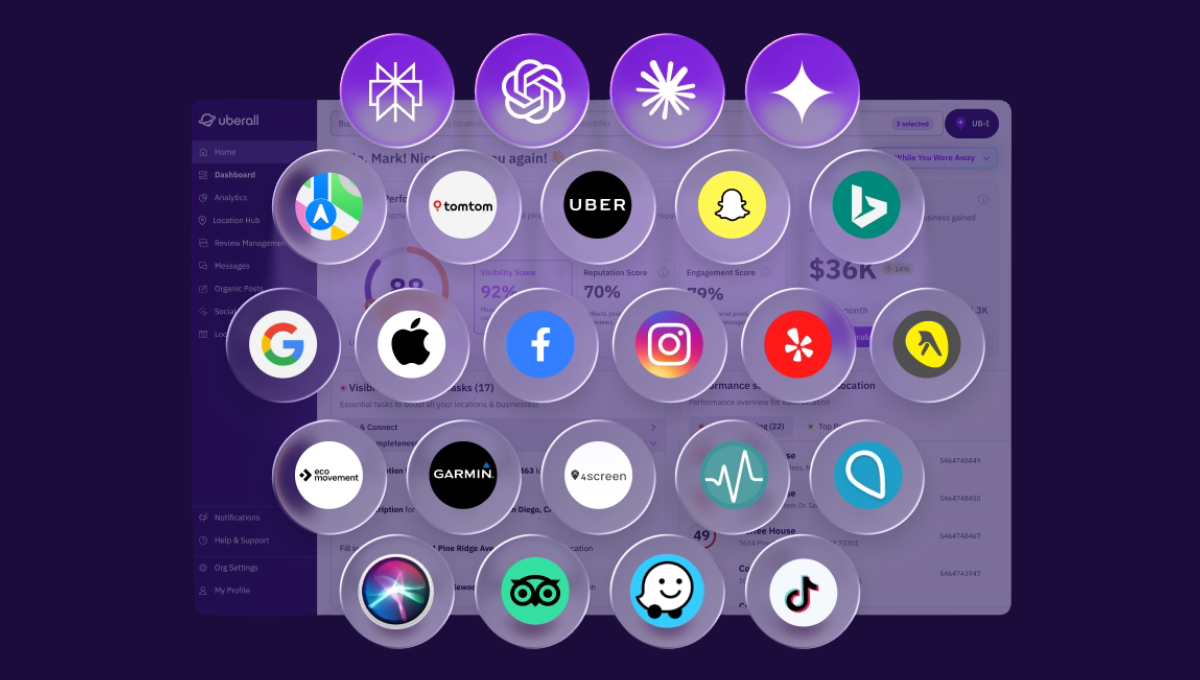
Most CPOs don't send GELFS data to Google themselves. They send it to a data aggregator like Eco-Movement via OCPI, and Eco-Movement sends it to Google (and to Apple Maps, Waze, in-car navigation, and dozens of EV apps). Dynamic data like port availability reaches Google within minutes through this route.
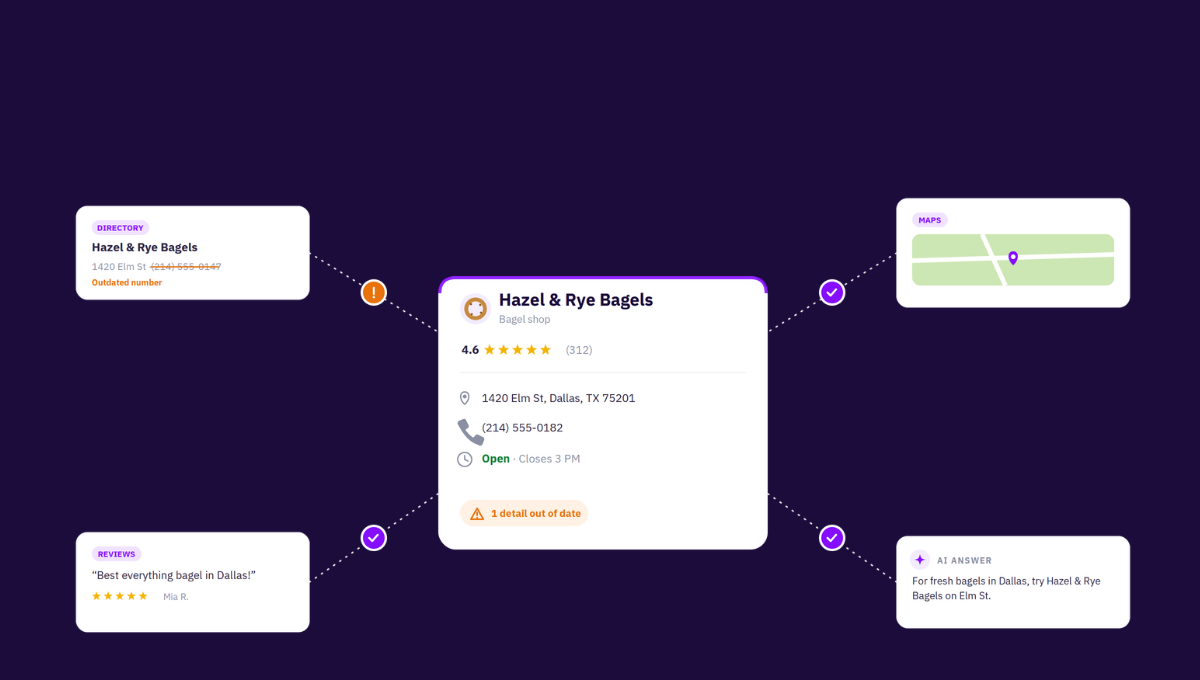
The problems show up when these two sources send conflicting information about the same station.
We've seen a CPO with hundreds of stations pushing data to Google via GELFS and through Eco-Movement at the same time. Google received the same stations from two sources with slightly different connector names and rounded power ratings. These new stations sat in a creation queue for longer than a month. Existing stations showed data that flipped between values depending on which feed Google had processed last.
Google can also generate its own labels from user activity. If enough drivers submit "report a problem" flags or leave reviews mentioning broken chargers, Google adds a "multiple charging issues reported" warning to your listing.
That warning comes from Google's algorithm, not from your OCPI or GELFS feed, and you can't fix it by updating data. You fix it by fixing the chargers and getting new reviews.
Our recommendation when we see parallel feeds is to pick one, and route it through your aggregator. Your aggregator is already an accepted upstream source for Google's EV layer, and the same OCPI feed reaches Apple Maps, in-car navigation, and the EV app ecosystem. A direct GELFS connection to Google adds a second contract without removing the first — and it only covers Google.
Google's In-Car EV Routing Picks Stations Differently Than Google Maps on Your Phone
Avoid only thinking about how your stations appear in Google Maps on mobile — there's more to it than that.
Android Automotive OS with Google built-in — the version of Google that runs natively in vehicles from Volvo, Polestar, Ford, and others — has its own EV routing that factors in the car's battery level and suggests charging stops along a route.
Most CPOs we talk to assume this pulls from the same database as Google Maps on a phone. But the in-car experience is different:
- The in-car system suggests stations based on battery level and route, not just proximity — so a station 200 meters off the highway that's easy to access can outrank one that's closer but harder to reach
- It surfaces ratings, photos, and review content to help the driver choose between options
- Google is now using AI-generated summaries of reviews to describe where to find chargers inside complex locations like parking garages — "Enter the underground parking lot and follow the signs toward the exit. Just before exiting, turn right."
All of that user-submitted content — reviews, photos, and the detail in those reviews — is content your team can influence.
Drivers who charge at your stations can be prompted to leave reviews on Google. Your operations team can upload photos of the station, the access route, and nearby amenities. This is where review management pays off for CPOs: Google's AI reads the reviews and generates directions from them.
A station with 50 reviews describing the exact location, connector types used, and wait times gives Google far more to work with than a station with two vague reviews.
Your Aggregator Already Sends Data to Google — What Does a Direct OCPI Agreement Add?
Google has started approaching CPOs directly to propose a direct OCPI connection — station data flowing straight from your backend to Google, bypassing your aggregator.
But what does this connection give you on Google Maps that your existing aggregator doesn't already provide? If your OCPI data already reaches Google through your aggregator, the direct connection re-licenses data that's already active.
There are three things we ask CPOs to evaluate before signing:
- Autocreated entries vs. owned profiles. Google's direct feed can autocreate place entries that sit alongside the verified GBP listings you manage. If both exist for the same station, reviews can split across the two — and you don't control the auto-created one.
- A second feed with no defined precedence. If a connector name, power rating, or pricing field diverges between your direct feed and your aggregator's feed, Google may prioritize one over the other — and you won't know which until a driver reports wrong information.
- Coverage scope. Your aggregator feed already reaches Apple Maps, Waze, in-car navigation, and the EV app ecosystem. A direct agreement with Google covers Google. It doesn't replace your aggregator — it adds a contract alongside that aggregator.
Get Your EV Stations Found, Not Just Built
We've been working with clients who either have unclaimed dummy listings from a messy expansion – or Google Maps doesn't show them or shows the wrong information.
The fix involves claiming your listings so you own them in the first place — and doing this at scale — and making sure you're only sending data from one source, not two.
EV charging stations don't work like other businesses on Google Maps. You need a claimed and verified GBP for the business information layer, a clean GELFS feed through your aggregator for the charger data layer, and you need to make sure those two aren't conflicting with each other. Reviews and photos from these listings are non-negotiable — especially now that Google's in-car routing and AI-generated directions are pulling directly from that content to help drivers decide where to charge.
We work with CPOs across Europe on exactly this setup — getting the GBP and GELFS layers right so stations appear on Google Maps, Apple Maps, and in-car navigation with the right data, without duplicates.


1,800 brands trust us to stay visible
— not just show up once or twice in local search.