How Prompt Research Helps Local Brands Understand Their Customers and Drive More Foot Traffic
Local keywords aren’t dead, but they’re not enough. Learn how prompt research helps multi-location brands drive foot traffic from AI search.


Key takeaways
- Brands need to supplement local keyword research with prompt research — the full, conversational questions customers are actually asking AI tools like ChatGPT and Gemini.
- When a consumer asks a natural-language question, AI breaks it into multiple sub-queries (the "fan-out" process) before compiling a recommendation.
- Brands shouldn’t be replacing their keyword strategy; they just need more targeted, higher-intent prompts and optimized GBP descriptions, FAQs, and local pages to answer them.

It admittedly feels tedious writing about keywords in 2026 — especially now when most people in this field have moved on to write about the latest shiny thing in search.
And I don't take great pleasure in spoiling the shiny-thing party, but it's helpful and also reassuring for brands to know that the fundamental SEO basics will still get them far in GEO and the whole world of AI agents.
The right local search keywords and key queries are therefore still the validation layer all search systems need to rank or recommend relevant local brands.
This evolution from targeting high-search-volume, short-tail keywords to more specific, relevant long-tail keywords to conversational prompts essentially looks like this:
"Tire replacement services" → "Tire replacement services near LAX" → "Where can I walk in and replace my tires without an appointment near LAX?"
Multi-location businesses: When optimizing local content for Google Business Profiles or location pages — whether you have 200 or 20,000 locations — you don't need to drop your local keyword strategy. You just have to supplement your existing keyword research with data that helps you drive more foot traffic to your locations. That data comes in the form of prompt research.
Why You Should Complement Your Local Keywords with Key Queries (Prompts)
Targeting sensible local search keywords alone has never saved a poor SEO strategy. Everything else has always had to align for multi-location brands to succeed consistently in local search, such as:
- Accurate, consistent listings
- Good review volume, frequency, and rating
- Engagement on social channels
- Third-party citations
In today's search landscape, keywords create a halo effect — they may not alone drive local customers to your business, but they help customers and search systems (whether Google or ChatGPT) understand your relevance. That's why finding the right relevant local keywords is still important, and this is part of the local SEO foundations that you absolutely need.
There's still a strong correlation between ranking well in traditional search and getting cited by AI engines, so if you're performing well in traditional search, you don't need to change your keyword strategy. There are also reports that Query-Answer Match also still affects AI citation rate, so pages that closely match the search query in titles, subheads, and body content get cited more.
If keywords are your halo effect, your validation layer behind why customers choose you and AI systems recommend you, prompts are your magnet effect.
In AI search, a prompt is the question a consumer types into ChatGPT, Gemini, or any other AI system. Things like: "Where can I walk in and replace my tires without an appointment near LAX?"
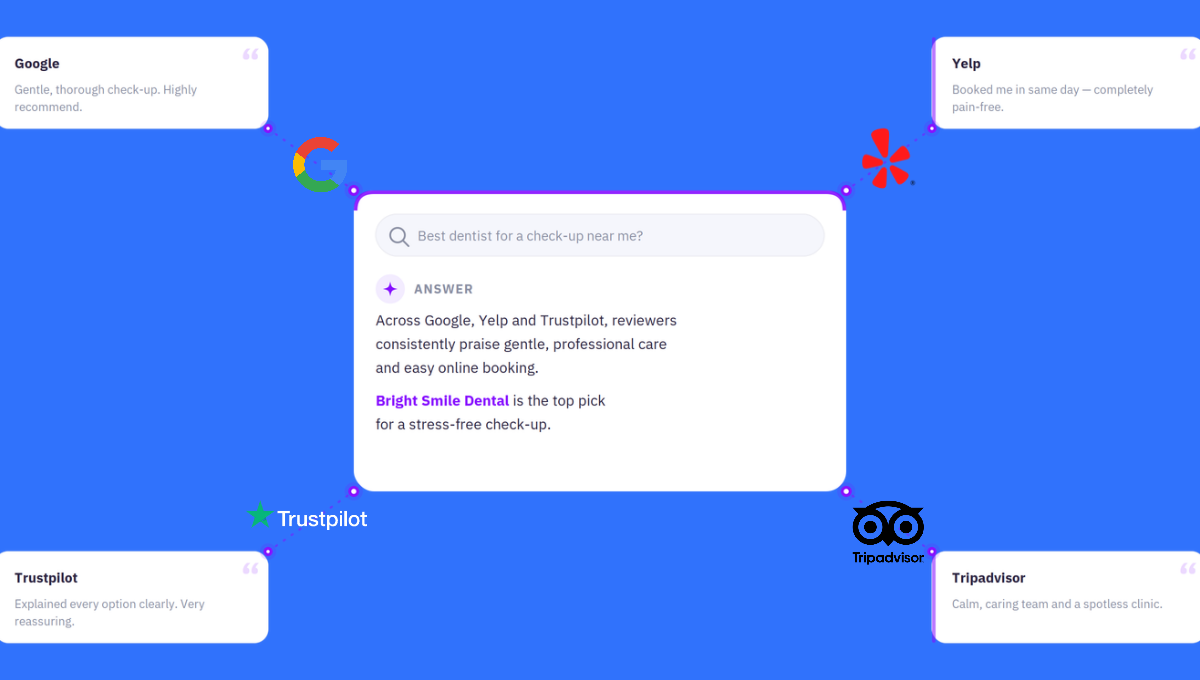
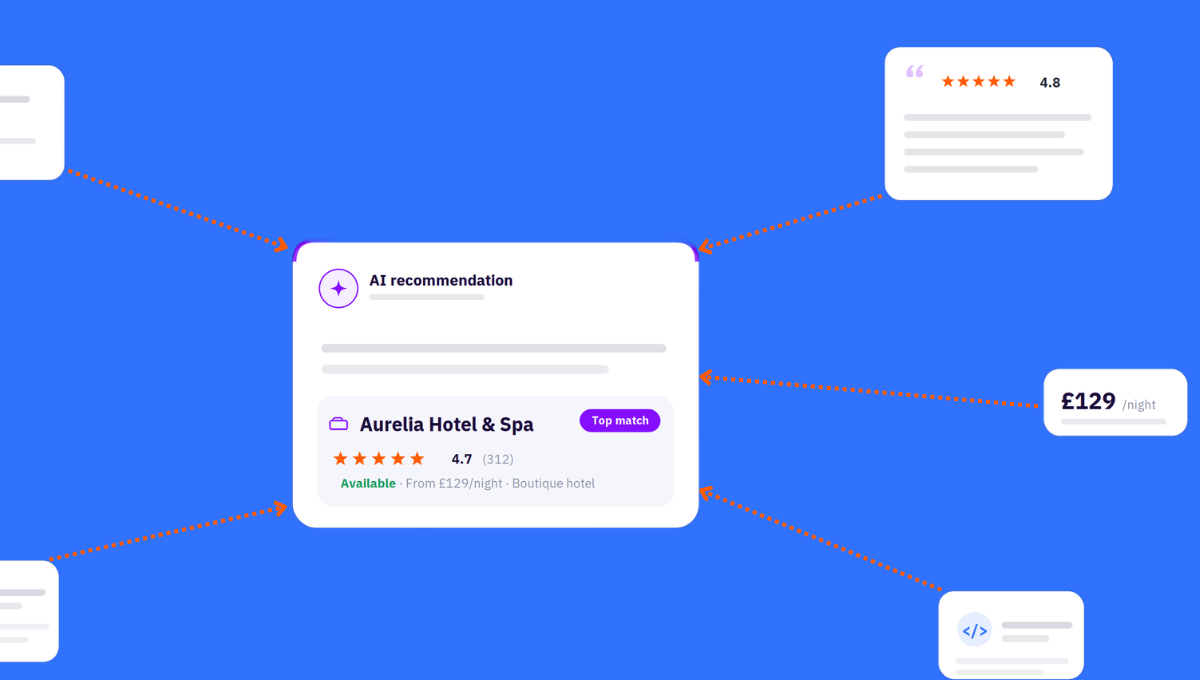
These are the queries that trigger AI-generated recommendations — the answers that determine whether local businesses get mentioned, cited, or omitted entirely. AI systems don't match keywords to pages the way Google does. When a consumer asks ChatGPT or Gemini a question, the AI blends multiple sources before compiling its personalized recommendation. It's looking for content that answers the full question — not just content that contains the right two or three words.
That means a brand that ranks well for "tire replacement services near LAX" in Google might not show up at all when a consumer asks an AI system the full, natural-language version of that question. Even if the intent is the same.
That's why you can't just take your keyword list and assume it's enough to keep giving you results when the landscape has changed this much. You need to understand the prompts local customers are asking to find you or your competitors — the long-tail, conversational queries.
Because understanding your customer better will help you drive more foot traffic to your locations.
How You Find the Prompts That Matter
Search has really been moving toward content specificity for years. And it's now going one step further, from fragmented, short queries that search engines can read, to conversational queries using natural language that tell a full story — with details such as location, service type, cost, dietary requirements.
Finding relevant prompts is about understanding these conversations about your brand and locations — and figuring out what you can do to be part of them.
The Query Fan-Out process helps businesses understand these conversations. When a consumer asks an AI system something like "Where can I walk in and replace my tires without an appointment near LAX?", the AI doesn't just search that query once. It breaks it into multiple sub-queries behind the scenes — pulling from different angles, different sources — before compiling a response. So that one question might become:
- Which tire shops near Inglewood and El Segundo have the best reviews
- Tire replacement shops that accept walk-ins near LAX
- How long does a walk-in tire replacement take
- What does a walk-in tire replacement cost in Los Angeles
If your content answers the original question but not the sub-queries, that's a missed opportunity. Not in terms of search volume, but in terms of conversion. Your strategy should cover as many of these fan-out angles as possible.
What Are the Right Prompts?
What if you don't know what your customers are searching for? GEO Studio takes the guesswork out of the equation.
GEO Studio's Prompt Universe generates prompt suggestions for you — pulling from multiple data sources to surface the questions that actually matter for your brand and your competitors.
Here's where GEO Studio pulls prompt data from:
- Google Search Console — It looks at your existing search performance data, so you're building on what's already working.
- Your brand and competitor domains — It analyzes keyword data from your site and your competitors' sites to understand what topics are already driving search interest across your market.
- Reddit — It searches relevant threads and discussions to surface the real questions consumers are having in your space — unfiltered, in their own words.
- YouTube — Same approach, applied to video content and comments. Another layer of what your audience is actively asking about.
- An AI layer — All of that input gets processed by an AI engine that generates the actual prompt suggestions — complete with intent classification, funnel stage, and reasoning for why each prompt is relevant.
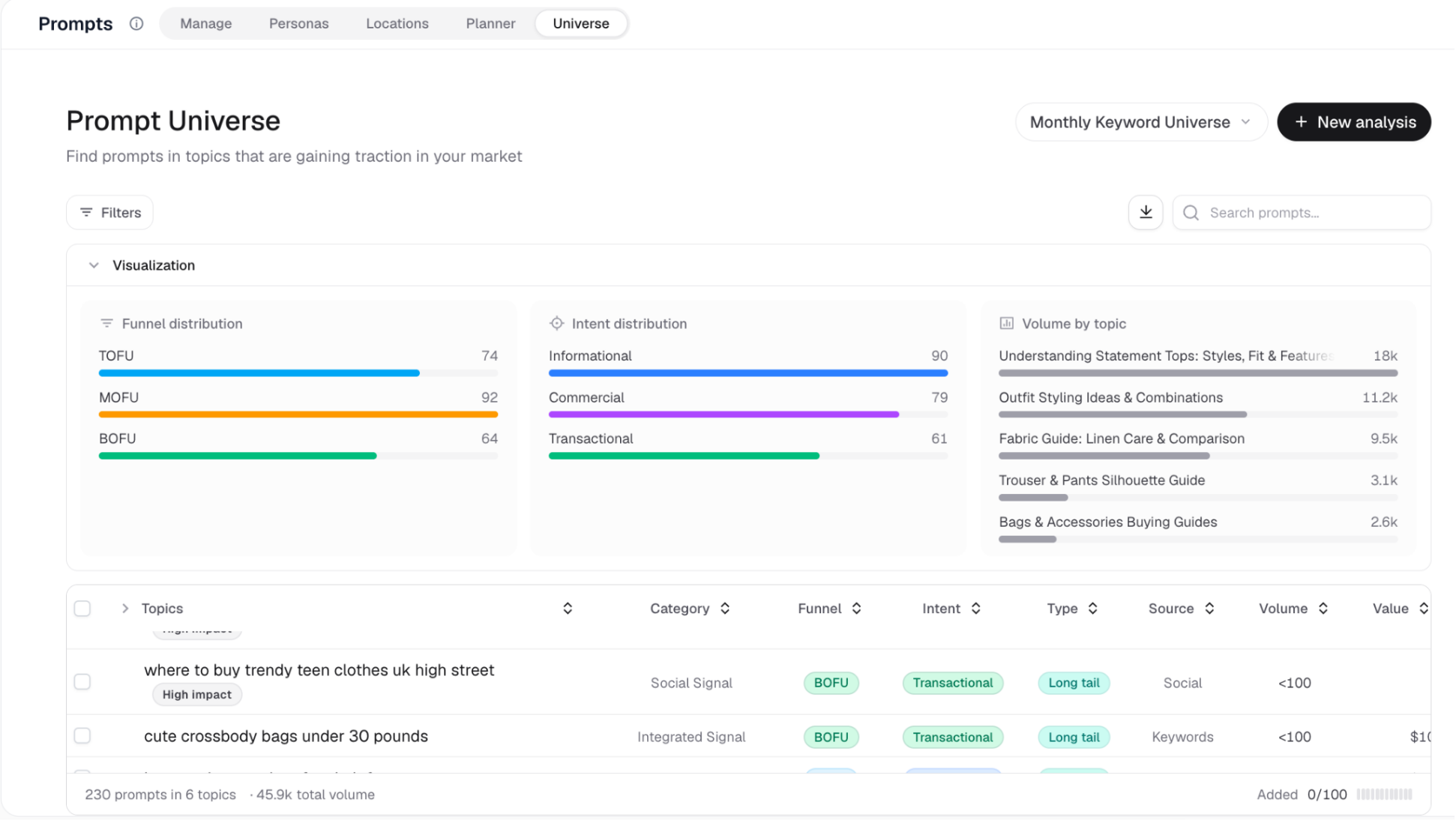
Each prompt also comes with search volume and estimated paid value. So you can see how much demand actually sits behind each one and its conversion potential — much like the SEO tools you've always been using.
With this data, it becomes easy to prioritize which prompts you'll target:
- High volume, high value prompts are your top priorities. These are the questions consumers are asking most often with the strongest commercial intent. This is where AI visibility would have the greatest impact on foot traffic and revenue.
- High volume, lower value prompts are worth keeping an eye on. They may not directly or consistently influence your conversions from AI answers, but they shape how AI systems talk about your business category and keep your brand part of that conversation.
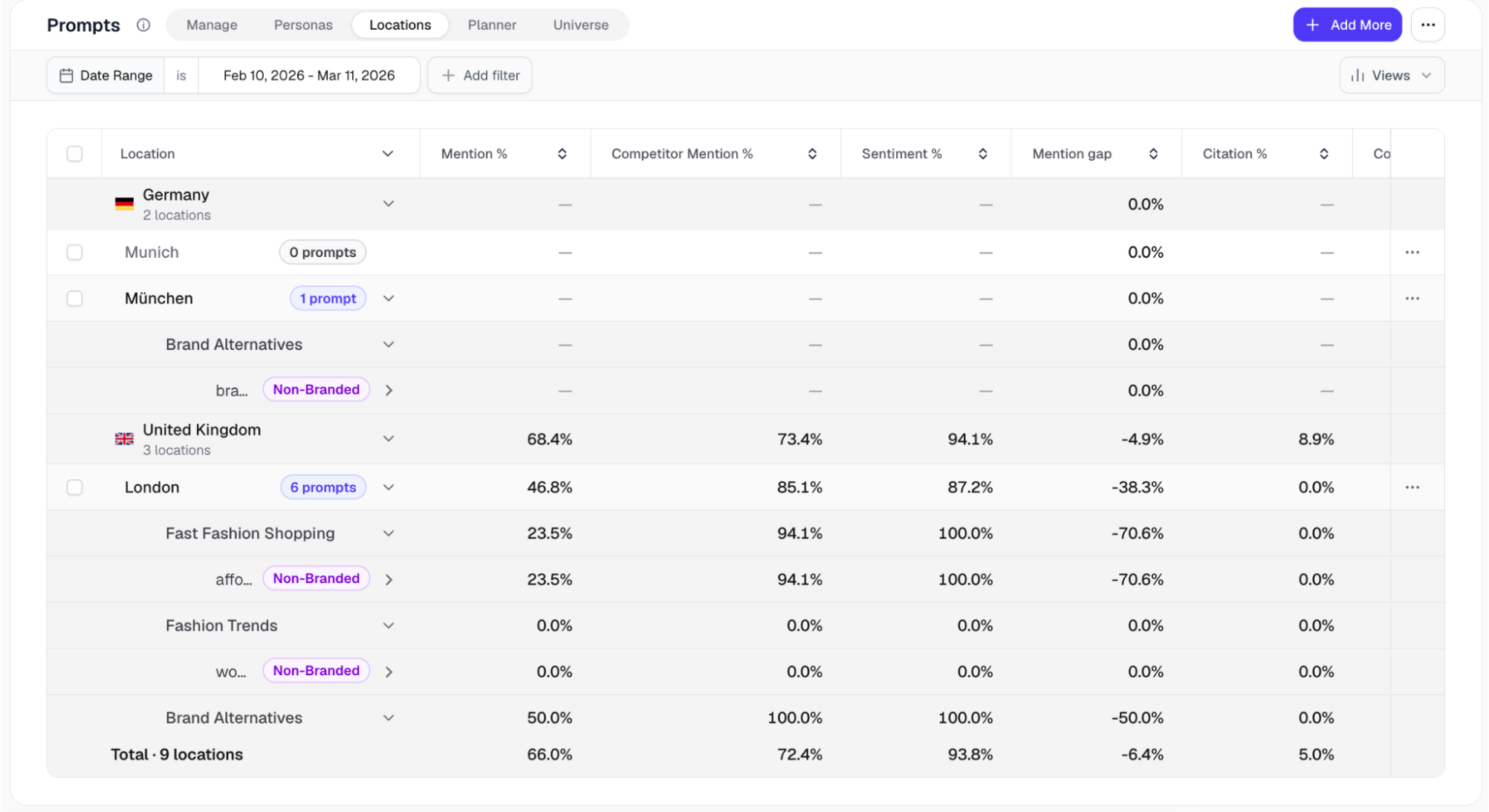
- Lower volume, high value prompts are often where multi-location brands can win with targeted, location-specific content. The consumers asking them are far closer to booking an appointment or taking an action. These are the prompts where strong local content, Google Business Profile optimization, and review signals can make the difference.
What Actually Changes from Your Current Keyword Workflow?
If you've had a specific local keyword strategy all along, all that really changes is that you'll create more specific content to answer the prompts your customers are actually asking. The search volume may not be as high, but the intent will be far greater.
And we're already seeing conversion rates from AI search outperform traditional search in verticals like retail.
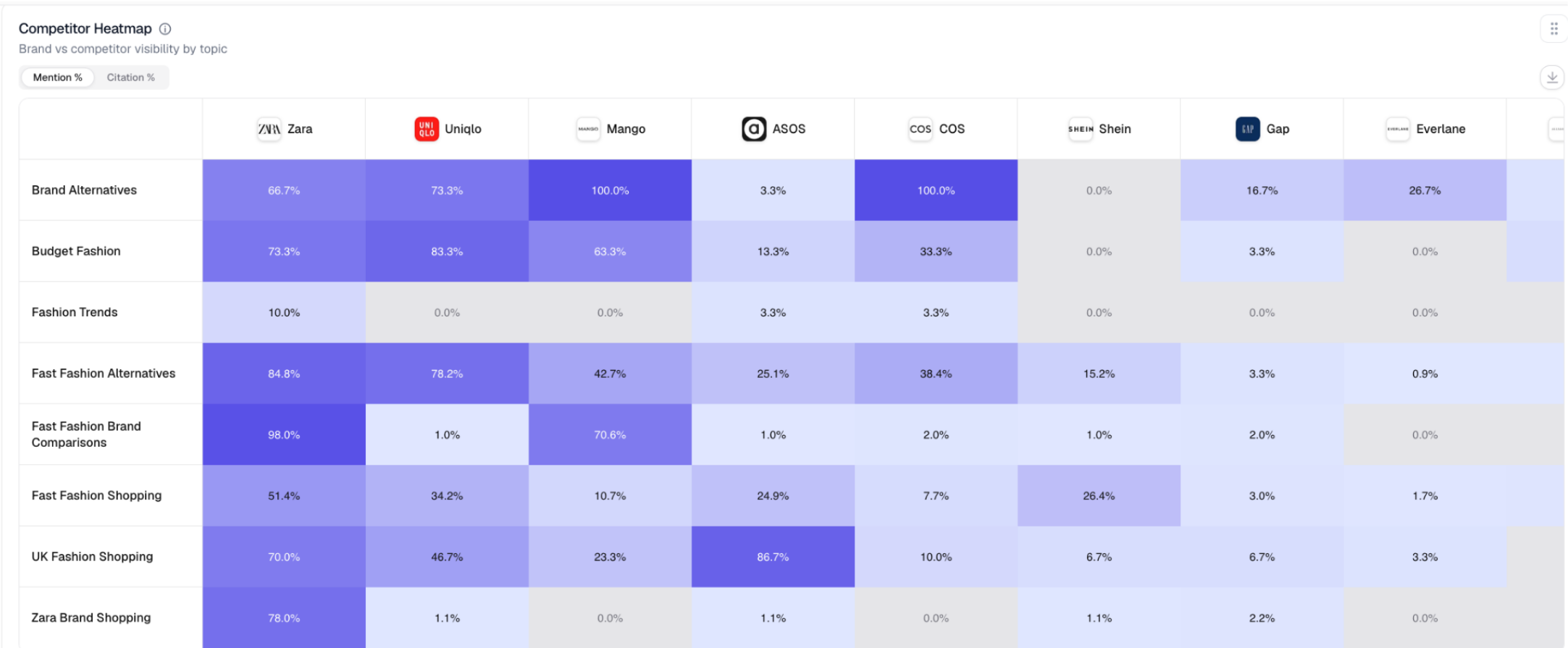
Like the keyword research you perform in your SEO tool, GEO Studio's Prompt Center helps you identify top keywords in AI search and find the strategic gaps to fill against your competitors.
Some of our multi-location clients using GEO Studio are tracking up to 400 prompts — which they can pause at any time. If your team prefers to work with your own AI tools, like Claude, GEO Studio also offers an MCP connector, so you can pull prompt data directly into your workflow.
From there, you optimize your content to answer these prompts in your Google Business Profile descriptions, in FAQs, or on your local pages. In this GEO workflow, you're not removing any keywords — you're enriching the context as an extra validation layer.
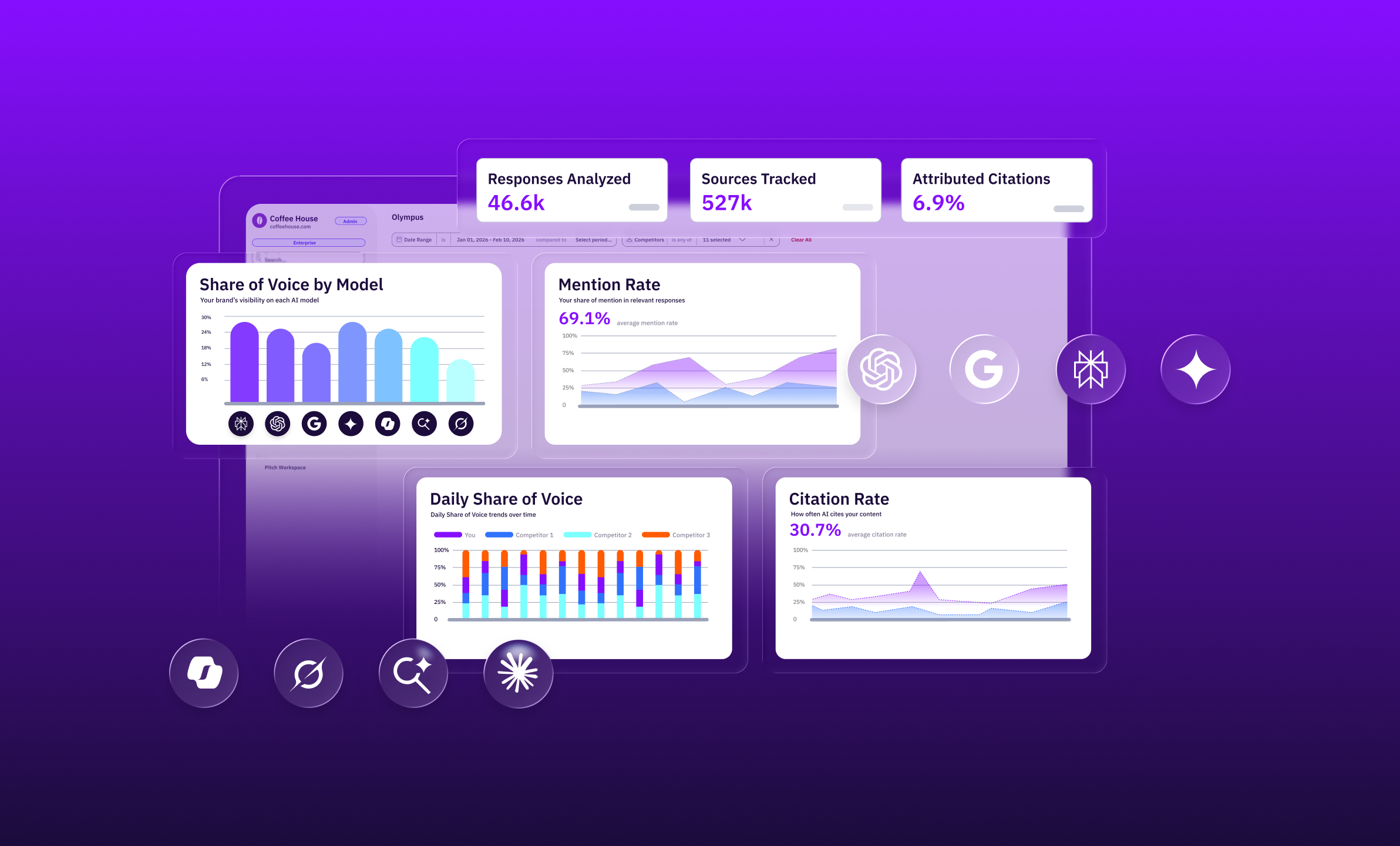
And reporting and iterating — this part might look different. Like traditional SEO workflows, results don't come overnight, and you'll need to keep iterating. GEO Studio's Prompt Center dashboard shows you which prompts your brand is being mentioned for, which AI models are mentioning you, and which prompts your competitors are winning and where you're not.
This feeds into a new GEO reporting framework built around Mention Rate, Citation Rate, and Share of Voice — tracked against the specific prompts that drive your business.
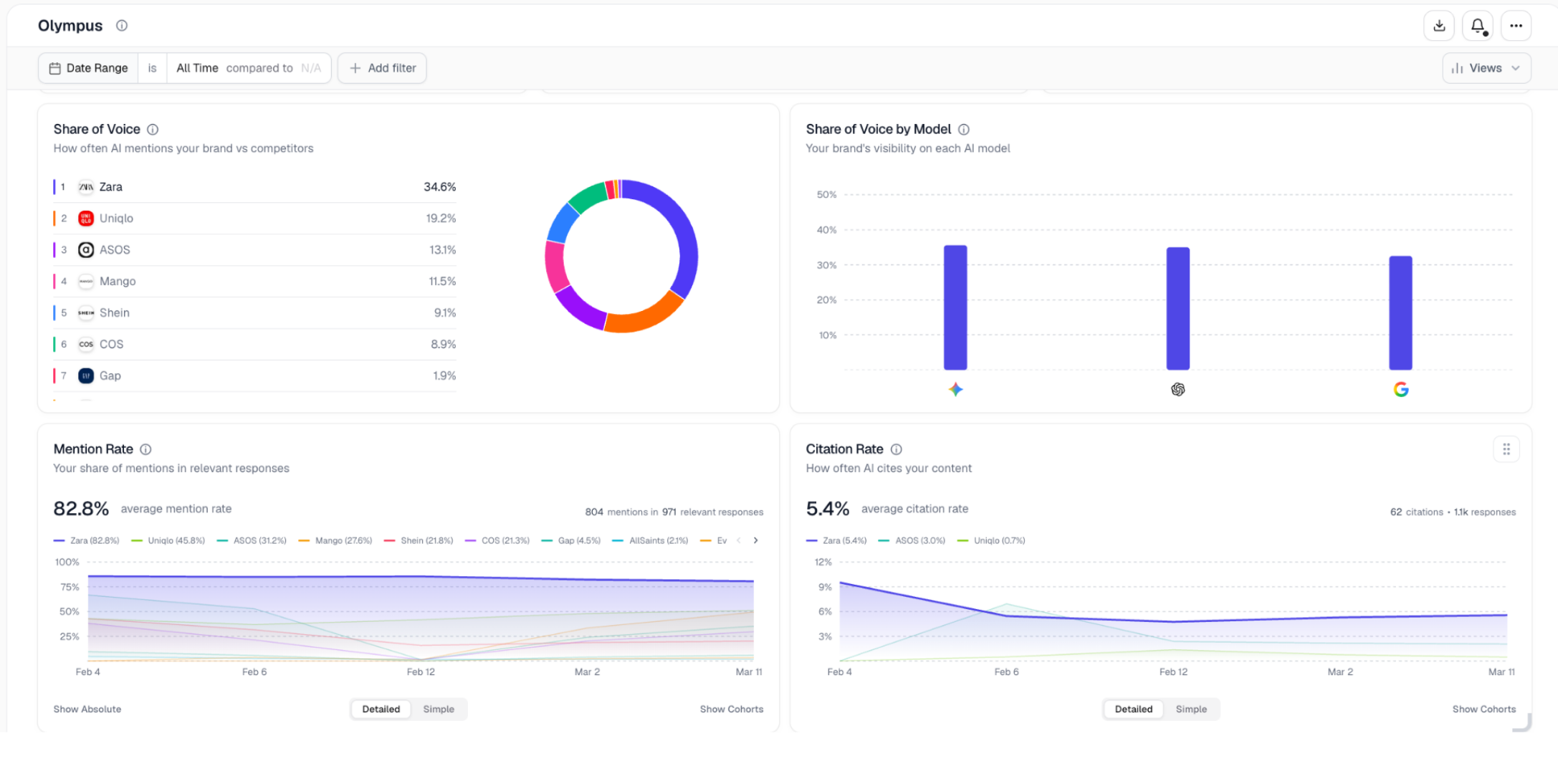
This is how you grow your Share of Voice in AI search — prompt by prompt, location by location.
Systems Need Ranking Signals and Context Signals
It doesn’t matter where customers are trying to find the right local business — on Google, ChatGPT, TikTok, or Reddit — fragmented short-tail queries are not going to work in local search anymore.
But it doesn't mean the topics or intent have changed — or that you should ditch your keyword strategy — customers still need their tires changed, grocery store recommendations, or ATM information. They're just looking for answers that are more useful to them than a list of blue links.
You’ve got to understand what local search queries and prompts your customers are using — and what answers they want in order to tap on directions to visit you, or explore your business profile. And you've got to optimize how your brand appears in order to be that comprehensive and compelling answer they find, so that they're not scrolling for more suitable options. Answer the full question with GEO Studio and prompt research. That's how you'll drive high-intent foot traffic to your locations.



1,800 brands trust us to stay visible
— not just show up once or twice in local search.

Frequently asked questions
Local keywords are still important for SEO in 2026. They act as a validation layer — the signal that helps both Google and AI systems understand what your business does and where it operates. There’s still a strong correlation between ranking well in traditional search and getting cited by AI engines, and pages that closely match search queries in titles, subheads, and body content get cited more. What’s changed is that keywords alone aren’t enough — you need to supplement them with prompt research to capture the conversational queries AI users ask.
A keyword is a short, fragmented search term like "tire replacement services near LAX." A prompt is the conversational question a consumer types into an AI system — something like "Where can I walk in and replace my tires without an appointment near LAX?" Keywords tell search engines what your page is about. Prompts tell AI systems what question your content answers. Both matter, but prompts capture the intent and context that AI-generated recommendations are built from.
You find the right prompts for local SEO by starting with the questions your customers are already asking — not by guessing. GEO Studio’s Prompt Universe generates prompt suggestions automatically and classifies each one by intent and funnel stage. From there, you prioritize by volume and value: high-volume, high-value prompts are your top targets; lower-volume, high-value prompts are where location-specific content wins. The goal is covering as many Query Fan-Out angles as possible.
Query Fan-Out is what happens when an AI system breaks a single consumer question into multiple sub-queries before compiling its answer. A question like "Where can I walk in and replace my tires without an appointment near LAX?" might become four or five separate searches — covering nearby shops, walk-in availability, cost, and wait times. If your content answers the original question but not the sub-queries, you miss the recommendation even when your intent match is strong.
The number of prompts a multi-location brand should track depends on how many services, locations, and customer intents you need to cover. Some Uberall clients using GEO Studio track up to 400 prompts, which they can pause at any time. Start by prioritizing high-volume, high-value prompts — the questions consumers ask most often with the strongest commercial intent — and expand from there as you identify gaps in your AI visibility against competitors.
You measure whether your prompt strategy is working by tracking three metrics: Mention Rate (how often AI names your brand), Citation Rate (how often AI links to your content), and Share of Voice (your brand’s share of AI mentions compared to competitors). GEO Studio’s Prompt Center dashboard shows which prompts your brand is being mentioned for, which AI models are mentioning you, and where competitors are winning. This feeds into a GEO reporting framework you can iterate on over time.
AI can automate parts of local keyword research — particularly surfacing long-tail, conversational queries that traditional keyword tools miss. But automation alone doesn’t tell you which queries drive foot traffic to your locations. That’s where prompt research comes in: Instead of generating a flat list of keywords, tools like GEO Studio classify each prompt by intent and commercial value, so your team prioritizes the queries closest to conversion rather than the ones with the highest search volume.
GEO Studio’s prompt data comes from five sources combined: your Google Search Console performance data, keyword data from your domain and your competitors’ domains, Reddit threads where consumers ask real questions in their own words, YouTube content and comments, and an AI layer that processes all of it into prompt suggestions. Each prompt comes with search volume, estimated paid value, intent classification, and funnel stage — so the data is traceable, not generated from thin air.
Local keywords are still important for SEO in 2026. They act as a validation layer — the signal that helps both Google and AI systems understand what your business does and where it operates. There’s still a strong correlation between ranking well in traditional search and getting cited by AI engines, and pages that closely match search queries in titles, subheads, and body content get cited more. What’s changed is that keywords alone aren’t enough — you need to supplement them with prompt research to capture the conversational queries AI users ask.
A keyword is a short, fragmented search term like "tire replacement services near LAX." A prompt is the conversational question a consumer types into an AI system — something like "Where can I walk in and replace my tires without an appointment near LAX?" Keywords tell search engines what your page is about. Prompts tell AI systems what question your content answers. Both matter, but prompts capture the intent and context that AI-generated recommendations are built from.
You find the right prompts for local SEO by starting with the questions your customers are already asking — not by guessing. GEO Studio’s Prompt Universe generates prompt suggestions automatically and classifies each one by intent and funnel stage. From there, you prioritize by volume and value: high-volume, high-value prompts are your top targets; lower-volume, high-value prompts are where location-specific content wins. The goal is covering as many Query Fan-Out angles as possible.
Query Fan-Out is what happens when an AI system breaks a single consumer question into multiple sub-queries before compiling its answer. A question like "Where can I walk in and replace my tires without an appointment near LAX?" might become four or five separate searches — covering nearby shops, walk-in availability, cost, and wait times. If your content answers the original question but not the sub-queries, you miss the recommendation even when your intent match is strong.
The number of prompts a multi-location brand should track depends on how many services, locations, and customer intents you need to cover. Some Uberall clients using GEO Studio track up to 400 prompts, which they can pause at any time. Start by prioritizing high-volume, high-value prompts — the questions consumers ask most often with the strongest commercial intent — and expand from there as you identify gaps in your AI visibility against competitors.
You measure whether your prompt strategy is working by tracking three metrics: Mention Rate (how often AI names your brand), Citation Rate (how often AI links to your content), and Share of Voice (your brand’s share of AI mentions compared to competitors). GEO Studio’s Prompt Center dashboard shows which prompts your brand is being mentioned for, which AI models are mentioning you, and where competitors are winning. This feeds into a GEO reporting framework you can iterate on over time.
AI can automate parts of local keyword research — particularly surfacing long-tail, conversational queries that traditional keyword tools miss. But automation alone doesn’t tell you which queries drive foot traffic to your locations. That’s where prompt research comes in: Instead of generating a flat list of keywords, tools like GEO Studio classify each prompt by intent and commercial value, so your team prioritizes the queries closest to conversion rather than the ones with the highest search volume.
GEO Studio’s prompt data comes from five sources combined: your Google Search Console performance data, keyword data from your domain and your competitors’ domains, Reddit threads where consumers ask real questions in their own words, YouTube content and comments, and an AI layer that processes all of it into prompt suggestions. Each prompt comes with search volume, estimated paid value, intent classification, and funnel stage — so the data is traceable, not generated from thin air.