Making Waves: How to Become a Local Favorite
Crafting your brand into a popular local favorite is no mean feat. Learn how to amplify your message – and establish yourself as a best-in-category choice.



Whether it’s the “best place for espresso” or the “best place to buy an ottoman”, today’s discerning consumers treat online search as an intrinsic part of purchasing decisions. Brick-and-mortar businesses face fierce competition to set themselves apart if they want to become a popular local choice – and a strong reputation is the absolute key.
A local favorite is a business that stands out in its community, consistently earning high ratings and glowing reviews from satisfied customers. When users search for phrases like "best coffee in town," these businesses often appear at the top of the results, thanks to their strong reputation and trust signals. Being a local favorite not only attracts more foot traffic but also builds long-term customer loyalty.
A brand’s online content should give users exactly the information they need to take the plunge and visit in person. But what does that mean for digital marketers, in practical terms? How can you explore customers’ underlying motivations and tailor your online presence accordingly? Good thing we’re here to tell (and show) you!
1. Examine the Search Intent
Let’s start by taking a deep dive into the query itself. If a user searches for the “best place” to buy a product or service, that indicates a transactional intent – that a user already made a fundamental decision to buy, so now their focus is on finding the best in category option for their money.
Also, this search query implies that the user is looking for a physical, brick-and-mortar location. For leisure and hospitality outlets, this might seem a no-brainer. Retailers, on the other hand, who also offer their products online should recognize when consumers are searching for an in-person experience – perhaps to source expert advice or try out a product before committing to their purchase.
Most of the time, such search queries suggest that the user has a defined location in mind, too. Besides “best”, queries can be even more explicit, such as “best pizza in NYC” or “best place to buy sunglasses in Glasgow”.
So when you know that the user is looking for a reputable, credible vendor, potentially within a specific geographical area, how can you demonstrate that you check those boxes?
2. Optimize for Search Intent
The first step in any digital marketing exercise is research – always. This means determining exactly**what users are searching for and where they are searching from**. These insights should inform your efforts to tailor your content and targeting.
Keyword research tools like Ahrefs and Google Keyword Planner enable digital marketers to identify exactly what users look for when they search, while including information on their specific geographical area. While these tools allow you to identify valuable keywords to integrate into your online content, effective research also provides further insights:
- Confirm transactional intent: Users might be searching for low-cost options (“best place to buy cheap TVs”) or a specific product variant (“best place for Detroit-style pizza”).
- Identify related topics: Keyword research also includes investigating related queries, providing insights into customers’ broader behavior.
- Infer points of persuasion: Highlight the aspects most likely to convince a potential customer to visit you in person and make a purchase.
Building on these insights, you can optimize your content for specific products or services. Crafting engaging, high-quality content with powerful descriptions, precise specification and credible reviews sends clear trust signals to search engines by checking off the on-page SEO fundamentals.
3. Build Customer Trust
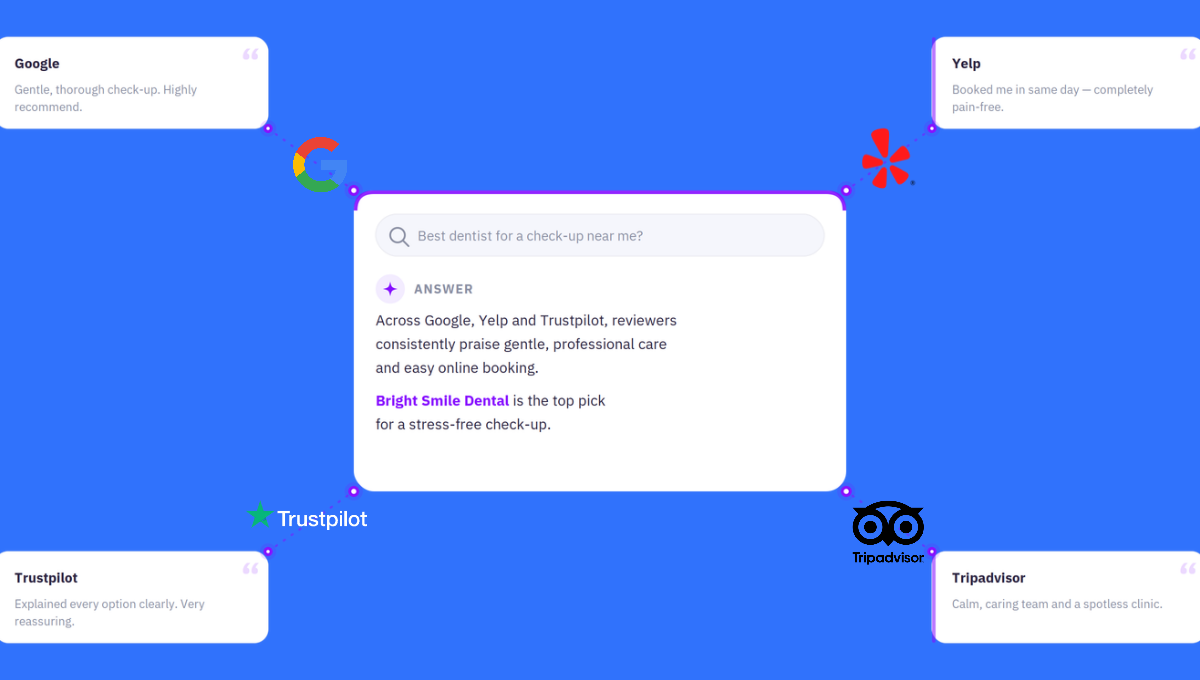
Impactful trust signals for users remain key, especially in the form of credible, positive reviews. So after catching a potential customer’s attention, you need to demonstrate why your business represents one of the best local choices.
Prioritizing reviews can turn a highly rated business into a popular local favorite: research shows that 75% of customers always or regularly read online reviews when browsing local businesses – and, on average, they read 10 reviews before they start to trust a business.
Responding promptly to both positive and negative feedback builds trust and shows you value customer opinions, though managing reviews is an ongoing task that requires careful attention and engagement. You might want to consider the help of review management software like Uberall.
Also, regularly requesting reviews through ethical and platform-compliant methods ensures a steady flow of fresh, authentic feedback, helping your business stay competitive and relevant.
4. Provide Hyperlocal Content
Addressing a user’s underlying search intent is a vital part of effective SEO – and you need more than keywords alone: local landing pages allow you to share hyperlocal content in the clearest manner to demonstrate credibility and earn authority.
Local landing pages should feature the address, opening hours, contact details, reviews, and strong CTAs. Checking all these boxes will boost your pages’ authority in Google’s algorithm as well as their rankings in Google’s search engine results pages (SERPs).
However, don’t simply duplicate content for each location and change the address; that’s a sure-fire way to torpedo your search ranking. You should craft engaging, location-specific content that highlights the USP of your product or service, along with the special features of each location.
In the 2024 Search Update, Google emphasized changes that reward original content which offers genuine value for users, rather than pages they describe as “designed for search engines”. This aligns with previous updates like the Helpful Content Update, which emphasized user-focused content.
By continuously refining its algorithms, Google aims to elevate content that truly meets user needs, rewarding authenticity and relevance over keyword-stuffed or low-quality pages.
5. Leverage the Power of Directory Listings
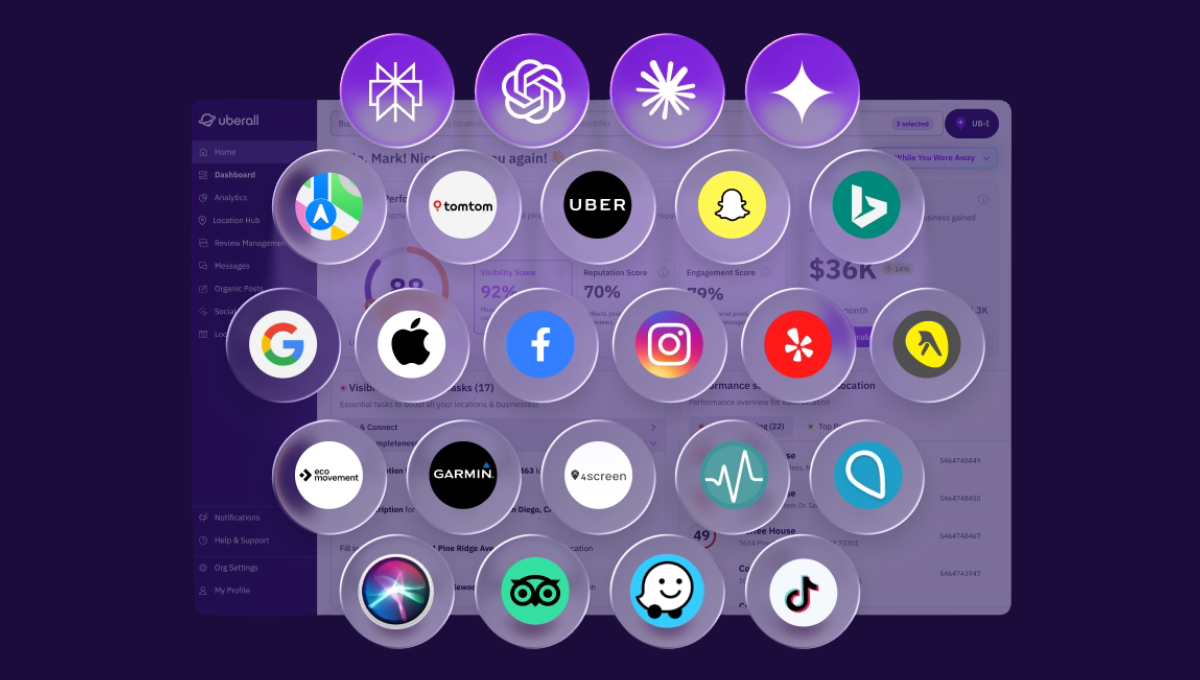
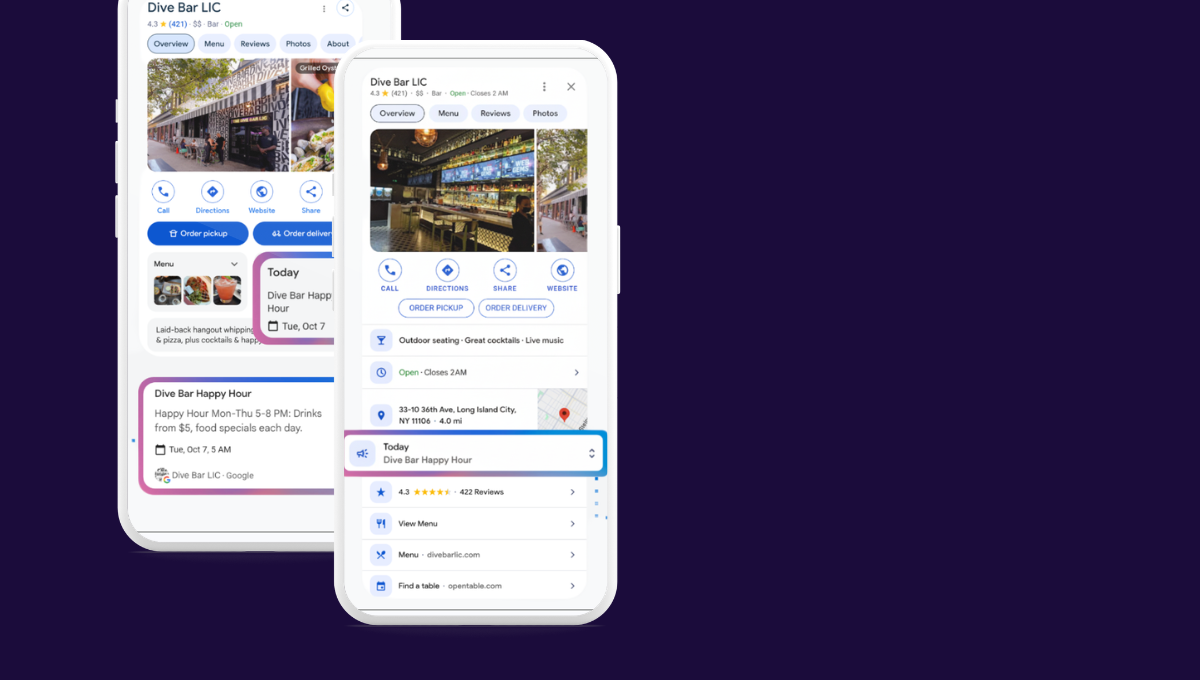
Although Google Maps, Apple Maps, Bing, and Yelp lead the way, you should maintain listings in wide-ranging directories to cover your whole market. Each platform adds another layer of visibility and trust while leading consumers through the different customer journey stages (and your marketing funnel).
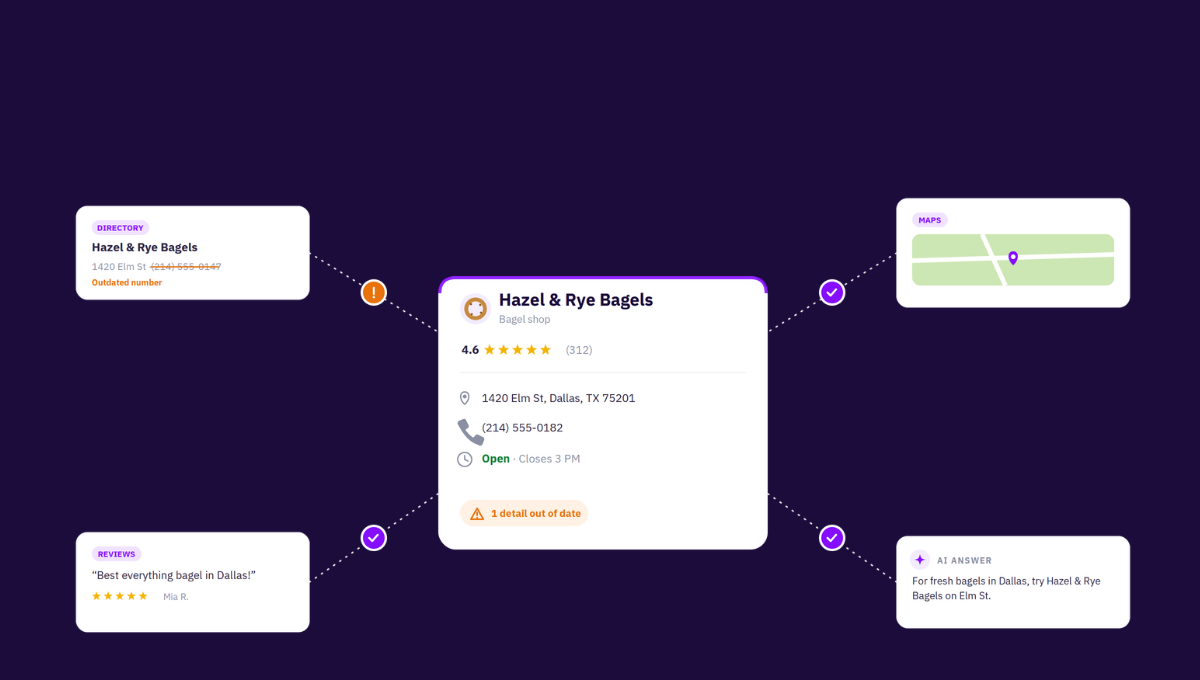
The challenge with managing listings lies in ensuring consistent, high-quality information across every directory. If you input this information manually or leave it for individual locations to manage, there’s a risk of inconsistent messaging, inaccurate information, and details becoming out of date – which would damage your SEO and customer experiences. Also, it’s far more efficient to rely on listing management software to ensure your location data is accurate, consistent, and up-to-date across all platforms.
The same goes for review platforms: less than a quarter of consumers rely on a single review site before choosing a local business. So the key to reach and convince consumers is to cast your net wide.
6. Enhance Your Engagement on Social Media
Social media platforms offer brands an opportunity to create a unique identity and character for each of their locations, engage with their local community, and generate interest through their latest offers and deals.On top of posts, reviews, and comments, Meta claims that over 1 billion people per week connect with businesses through its messaging services.
While TikTok is the subject of immense hype in digital marketing circles, Facebook still remains the world’s largest social media platform by far, with over 3 billion monthly active users. Keep your finger on the pulse: make sure to listen to your communities’ needs and tailor your posts to give them an authentic local flavor. That means devoting time to curating high-quality, original content.
How to Hit a Moving Target
Optimizing for “best place” searches involves the whole gamut of digital marketing activities. Meaning: you can’t put all your eggs in one basket anymore.
Instead, you should employ differentiated strategies to cover a number of platforms – and with search engines continuously fine-tuning their algorithms and consumer behavior always evolving, that remains a constant chore.
The only way to handle this multifaceted task is with clear and consistent strategy, combining a systematic approach with effective, reliable tools. From listings and reviews to social media, Uberall offers a holistic solution in a single, integrated platform with an intuitive interface and an AI-powered toolkit. Book a demo today to discover how we can help you turbocharge your digital marketing.



1,800 brands trust us to stay visible
— not just show up once or twice in local search.